
Commercial Transformation in Oil & Gas: From Strategy Intent to Execution Discipline

Introduction:
Oil & Gas companies are operating under unprecedented pressure. Price volatility, geopolitical risk, energy transition constraints and capital discipline have permanently reshaped the commercial landscape.
Yet, despite sophisticated strategies and experienced leadership teams, many organizations continue to see persistent margin erosion, slow decisions and inconsistent execution.
The root cause is rarely strategy. It is the lack of an integrated commercial operating system.
The Structural Challenge
Across the Oil & Gas value chain, four structural weaknesses repeatedly appear:
Pricing and contract complexity without transparency
Disconnected commercial decisions across functions
Fragmented data and slow decision cycles
Weak execution governance in markets and projects
These weaknesses silently destroy EBIT year after year.
In most Oil & Gas organizations, margin erosion does not start with price levels — it starts with execution complexity.
Why Commercial Transformation
Commercial Transformation is the permanent redesign of how commercial decisions are made, governed and executed.
It aligns:
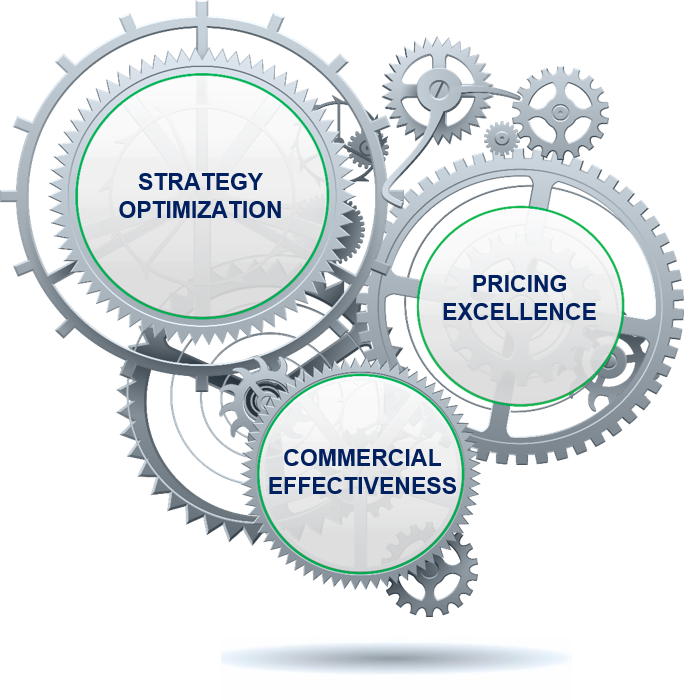
Strategy: where and how to compete
Pricing: how value is monetized and protected
Commercial Execution: how decisions are applied in the field
The Role of AI Powered Systems
AI is not the strategy. It is the enabler.
Pragmatic, AI Powered systems provide:
A single point of truth for pricing and contracts
Scenario simulations before decisions
Embedded execution discipline
Strong governance without bureaucracy
Measurable Impact
Typical outcomes include:
3–7% EBIT uplift within year one
Improved margin transparency
Faster, fact-based decisions
Sustainable commercial autonomy
Closing
Oil & Gas organizations no longer compete on strategy alone.They compete on disciplined execution.
Commercial Transformation is now a leadership imperative.
Many leadership teams start by stress-testing their pricing governance, execution discipline and data readiness before deciding how far to go.


Comments